Heritage scaffolding done with care
Specialist scaffolding for listed buildings, period properties and conservation projects. Built carefully, marked-down protection, no damage to delicate features.
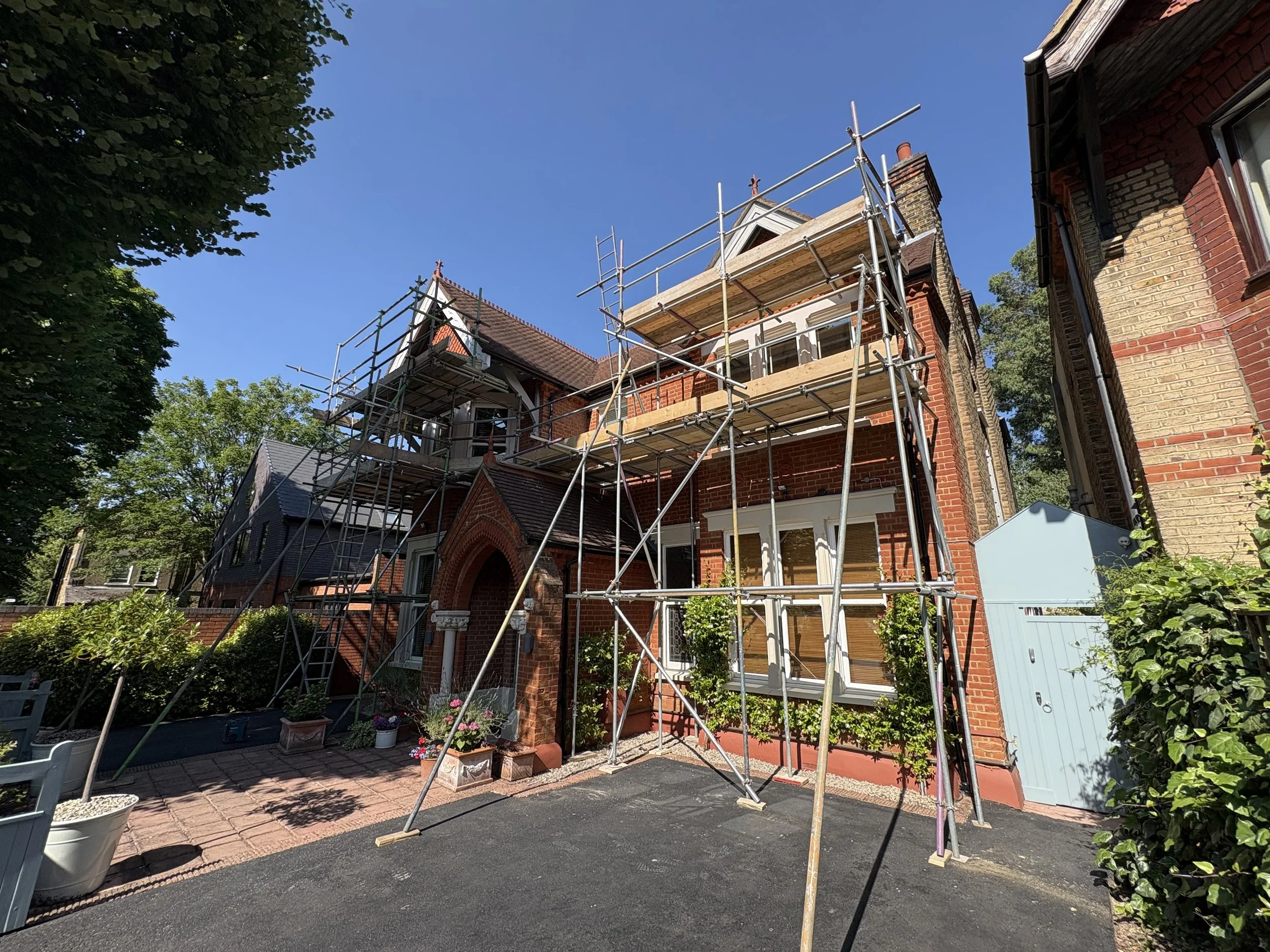
Scaffolding that respects the building
Cambridgeshire is full of beautiful old buildings - Victorian villas in Cambridge, Georgian shopfronts in St Ives, thatched cottages in the villages, and listed churches across the county. Each one deserves a scaffolding team that understands what's at stake.
Heritage scaffolding isn't just regular scaffolding put up next to an old building. It's a different mindset. Scaffold feet need careful placement so they don't damage period brickwork or stonework. Anchor points have to avoid fragile features. Sometimes you can't drill at all, and the scaffold has to be free-standing or tied in another way.
Our family-run team has handled scaffold work on period and listed properties across the region. We work closely with conservation officers, restoration contractors and homeowners, and we treat every heritage job with the care it deserves.
Discuss your projectHeritage projects we support
From private listed homes to public conservation work, we've supported a range of careful restoration projects.
Listed buildings
Grade I, Grade II* and Grade II properties need careful scaffold design. We work with the consents you've secured and stick to them.
Period homes
Victorian, Edwardian and Georgian houses with delicate features - bay windows, decorative stonework, ornamental brickwork. We work around them, not over them.
Churches and chapels
Tower repairs, stone repointing, leadwork on roofs and spires - we deliver safe access for the specialist trades doing the restoration work.
Stonework restoration
For stonemasons cleaning, repointing or repairing facades. Our scaffolds are designed for the way they actually work on a stone elevation.
Conservation area projects
Cambridge has dozens of conservation areas. We've worked across many of them and we understand the visual impact requirements scaffolding sometimes needs to meet.
Lime render and painting
Many heritage homes use lime render rather than modern materials. We give your specialist team safe, full-face access to the elevation they need to work on.
Our approach to heritage work
Heritage scaffolds need extra thought before they go up. Here's how we work.
-
Careful site visit
We come out, look at the building properly, and discuss the access needed with you and your restoration contractor. We'll identify any features that need extra protection.
-
Bespoke scaffold design
We design the scaffold around the building - tie locations chosen to avoid fragile masonry, foot pads sized to spread the load, protection in place where it's needed.
-
Respectful installation
Our CISRS-certified team installs the scaffold with care. No marks, no drilled holes where they aren't agreed, no damage to existing features.
-
Clean strip-down
When the restoration is complete, we dismantle the scaffold with the same care. Any protective materials are removed and the property is left as we found it.
Trusted with the buildings that matter
Heritage work isn't a tick-box exercise for us. It's something we take pride in getting right.
Care for the building
We treat every period property like our own. No careless drilling, no scuffed brickwork, no rushed corners. The building will look the same after we leave as it did before.
Designed around the job
Heritage scaffolds need bespoke thinking. We design around what's actually there - bay windows, decorative work, fragile masonry - rather than fitting a one-size approach.
We work with your team
Conservation officers, restoration contractors, listed building consultants - we'll coordinate with whoever is involved on your project so everything joins up cleanly.
Heritage scaffolding, answered
Questions homeowners and conservation contractors often ask before starting work.
No. We design heritage scaffolds with damage avoidance as the starting point. Tie locations are agreed in advance, foot pads spread the load on driveways and paths, and we use protection where fragile features are nearby. We've worked on enough period and listed buildings to know what to look out for.
The scaffold itself usually doesn't need consent because it's temporary, but the works it supports might. If you're not sure, we can talk it through during the site visit. For listed buildings we work to whatever consents you've already secured with your local conservation officer.
Yes - and we do it often. Period properties almost always have features that the scaffold has to work around rather than over. We design each scaffold for the building in front of us, so bay windows, parapet detail, finials and corbels are all accommodated.
Absolutely. On listed building work we routinely coordinate with the conservation team, the restoration contractor, and any specialist trades involved. The more people we can talk to early on, the smoother the whole project runs.
Heritage work tends to run longer than modern work, because lime mortars need to cure and specialist trades work to slower, more precise schedules. We'll quote for the duration you need with statutory inspections built in, and we'd rather you took the time to do it properly.
Yes. In conservation areas the visual impact of the scaffold can matter to neighbours and to the council. We offer debris netting in a few colours and can match what makes sense for the location. Just ask during the site visit.